
The short answer
Moschofilero (Μοσχοφίλερο) is Greece’s most aromatic indigenous white grape (though strictly speaking, it isn’t white at all. Its grey-pink skins place it in the same family as Pinot Gris and Gewürztraminer, and its perfume) rose petal, lychee, citrus, white pepper, invites the same kind of comparison. Grown almost exclusively on the high Mantineia plateau in the central Peloponnese, it is the defining grape of PDO Mantineia and one of Greece’s best-priced food wines.
The grape
Moschofilero belongs to a small family of indigenous Peloponnesian varieties known collectively as the Filero grapes. The name Mosch-ofilero literally means “scented” Filero, and once you have smelled a glass, the etymology is self-explanatory.
What makes Moschofilero distinctive among Greek whites:
- Pink-grey skins (not the white most associated with the variety’s category).
- High natural acidity, even in warm vintages.
- Naturally low alcohol, wines often finish around 11.5–12.5% abv, useful in a market where alcohol levels are creeping ever higher.
- Aromatic intensity without sweetness, the wine smells perfumed but tastes bone-dry.
The place: the Mantineia plateau
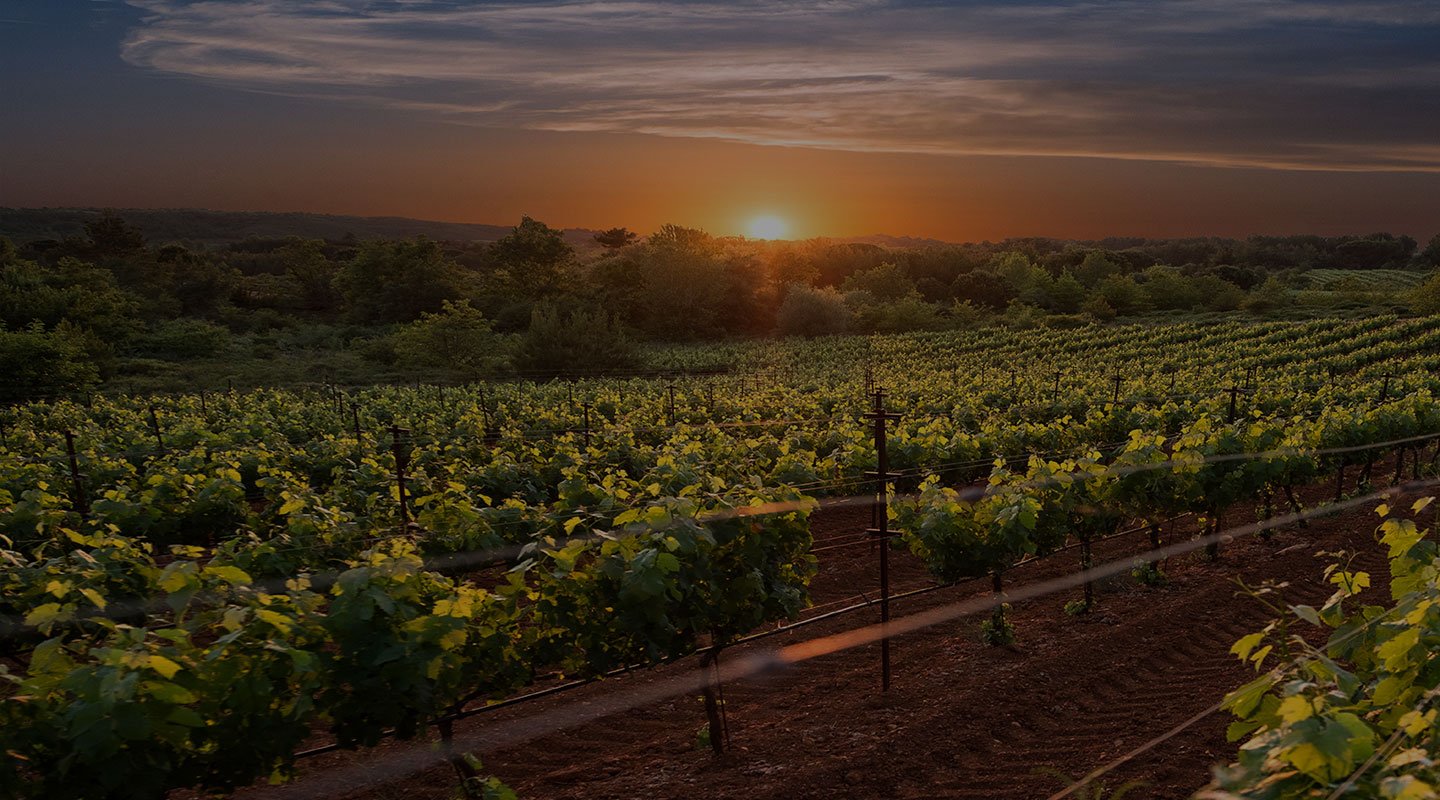
If Assyrtiko is defined by Santorini and Xinomavro by Naoussa, then Moschofilero is inseparable from the Mantineia plateau. The PDO sits in Arcadia, in the heart of the Peloponnese, at altitudes between roughly 600 and 850 metres, among the highest commercial vineyards in Greece.
Three terroir factors define the wines:
- Altitude. The plateau’s elevation produces a cool continental microclimate, with large diurnal swings, warm afternoons, cold nights. The acidity and aromatic complexity that follow are direct results.
- Soils. A mix of clay-limestone and sandy loams over a limestone base, drainage-heavy and lean in nutrients.
- Latitude. Mantineia sits surprisingly far south for a cool-climate appellation; only altitude makes the style possible.
The result is a wine that tastes structurally more like a Loire or Alpine white than a sun-drenched Mediterranean one.
What does Moschofilero taste like?
A classic dry PDO Mantineia Moschofilero shows:
- Aromatics: rose petal, citrus blossom, lychee, mandarin peel, fresh-cut apple, Turkish delight, and a distinctive white-pepper or anise note on the finish.
- Body: light to medium-light.
- Acidity: high, refreshing, almost incisive.
- Alcohol: typically 11.5–12.5% abv.
- Texture: clean and brisk; not as oily or weighty as Gewürztraminer.
There is no obvious international analogue, but stylistically the wine sits in the territory between dry Riesling, Torrontés, and a fragrant rosé of Provence, without being any of them.
PDO Mantineia: the rules
The appellation was officially recognised in 1971. Key specifications:
- Minimum 85% Moschofilero in the blend.
- The remaining percentage (up to 15%) may be Asproudes Arkadias, a local family of white grapes.
- A separate category covers PDO Mantineia Sparkling, made by traditional method, Charmat, or ancestral method depending on the producer.
- Sweet and lightly off-dry styles are permitted but rarely produced today.
Styles to know
Still dry Moschofilero
The default. Fresh, aromatic, food-friendly, designed for early drinking, most examples are at their best within 2 to 3 years of vintage.
Sparkling Mantineia
A growing category and a serious underrated proposition. Domaine Tselepos’ Amalia Brut (PDO Mantineia, traditional method) is one of Greece’s best sparkling wines and competes credibly with grower Champagne at a fraction of the price.
“Orange” or skin-contact Moschofilero
A small but growing category. The grape’s pink skins, when given extended contact with the juice, produce light orange wines with notable structure and a savoury, almost tea-like character. A few producers, including Domaine Tselepos and Spyropoulos, have released such cuvées.
Leading producers
A short list of names that consistently deliver:
- Domaine Tselepos, the benchmark producer for both still and sparkling Mantineia. The Mantinia Tselepos (still) and Amalia Brut (sparkling) are reference points.
- Domaine Spyropoulos, long-established organic estate; the Porfyros and Odé Panos are widely available internationally.
- Cavino / Mega Spileo, solid mainstream Mantineia at fair prices.
- Troupis Winery, younger estate making excellent terroir-focused Moschofilero.
- Repanis Winery, small, traditional, family-run.
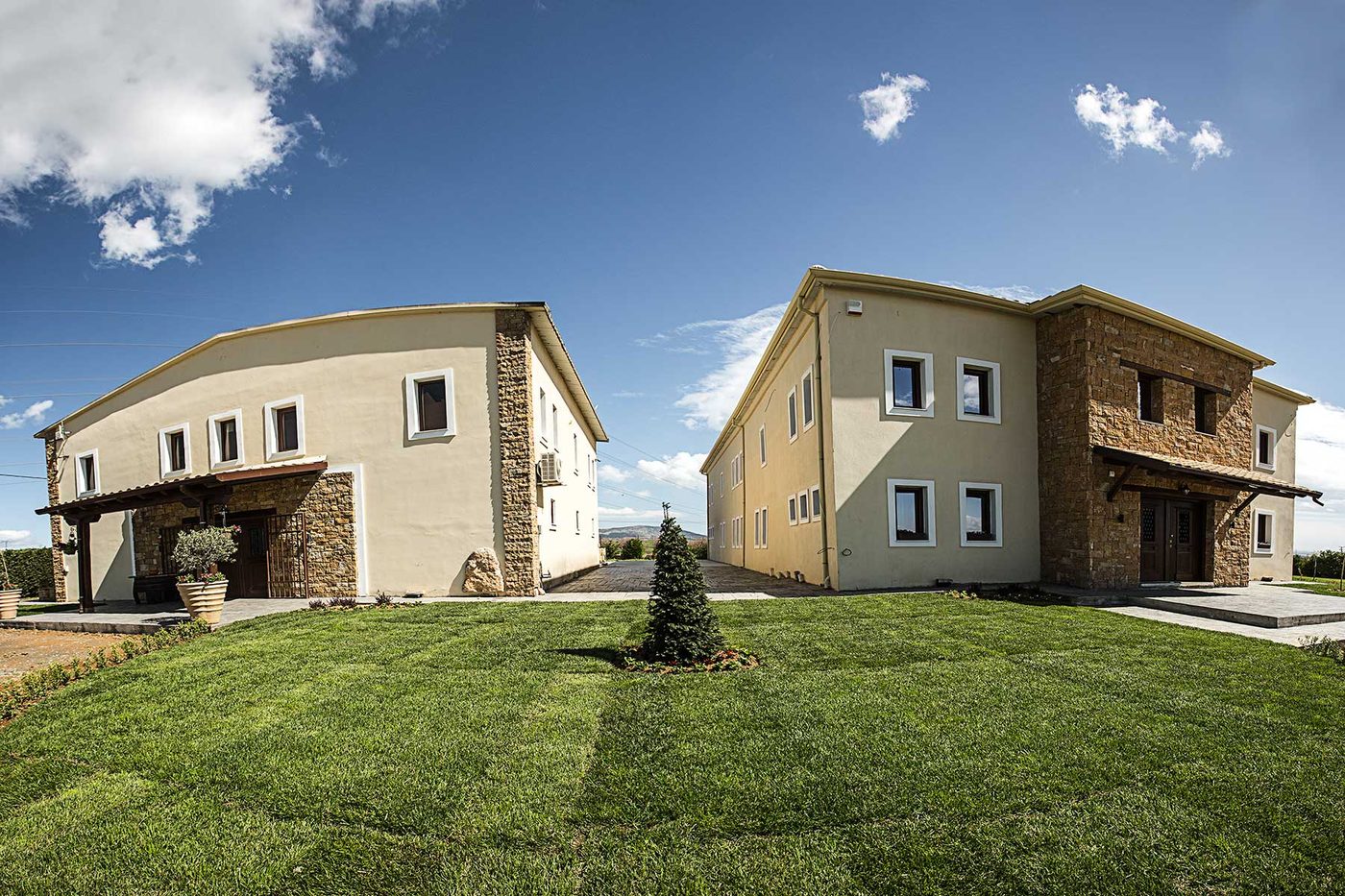
- Bosinakis Winery, a quieter family-run name but consistently rewarding, with precise, traditional Moschofilero in the Mantineia style.
At the table
Moschofilero’s combination of aromatic intensity, low alcohol and high acidity makes it remarkably food-friendly. Pairings that consistently work:
- Seafood: raw oysters, shrimp ceviche, grilled prawns, octopus salad.
- Asian cuisine: sushi, sashimi, Thai green curry, Vietnamese summer rolls, lemon-ginger chicken.
- Lighter Greek dishes: dolmades, taramasalata, grilled sardines, summer salads with feta and tomato.
- Cheese: fresh goat’s milk cheeses, young soft cheeses.
- As an aperitif: few wines pour better as a hot-weather welcome glass.
The sparkling style handles richer territory: oysters, crab, smoked salmon, soft-rinded cheeses, lighter risottos.
How does Moschofilero compare to other Greek whites?
| Greek white | Style | Body | Acidity | Best for |
|---|---|---|---|---|
| Assyrtiko | Bone-dry, mineral, age-worthy | Medium-full | Very high | Serious cellar + restaurant lists |
| Malagousia | Aromatic, balanced | Medium | Medium-high | Versatile food matching |
| Moschofilero | Aromatic, light, low-alcohol | Light | High | Aperitif + warm-weather drinking |
Each occupies its own niche. A well-built Greek white list should include all three.
Why it matters
Moschofilero is the best entry point into Greek wine for drinkers who already love aromatic European whites, Riesling, Gewürztraminer, Albariño, dry Muscat. It is also one of the best-value wines in Europe for the quality it delivers: serious Mantineia retails internationally for less than half the price of comparable Alsace whites. It is, finally, a reminder that Greek wine is not all bold and Mediterranean: at altitude, it can be precise, perfumed, and quietly thrilling.
Find the perfect Greek wine for what you’re eating
Use e-SOM, our digital sommelier, to pair Greek wine with your food, or even with your mood. Free, fast, available in English and Greek.
See also: What Is Assyrtiko? · Best Greek Whites for Fish · Mediterranean Cuisine Pairing