
The short answer
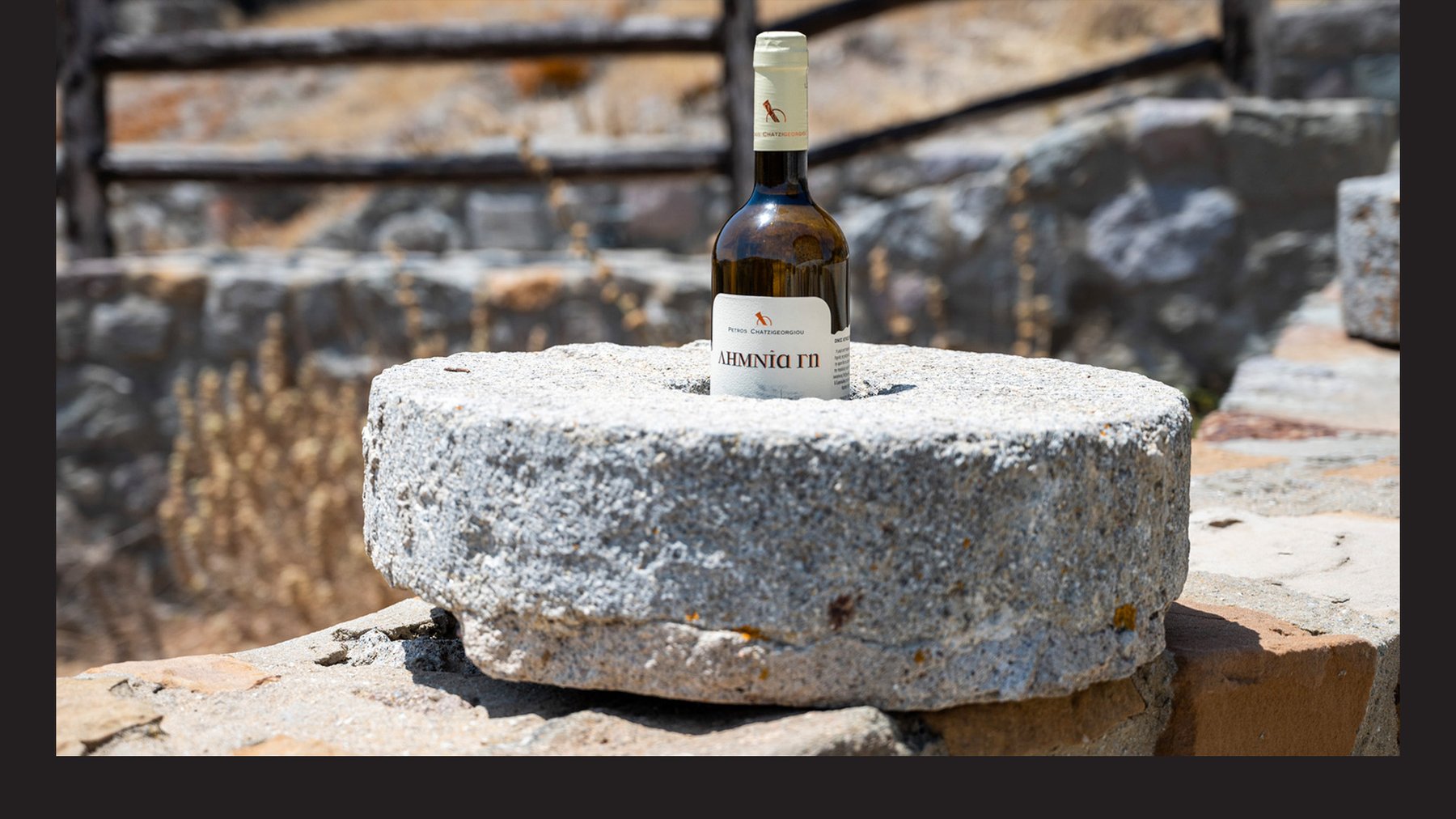
Limnio (Λημνιό) is among the oldest documented wine grape varieties in Europe, native to the volcanic North Aegean island of Lemnos and referenced in ancient Greek literary sources traditionally identified with the wines of the island. Today it survives both on its native island and in the Halkidiki peninsula of Central Macedonia, producing medium-bodied, savoury, herbal red wines with a profile unlike any other indigenous Greek variety.
A grape with a literary past
Lemnos wine is mentioned in classical Greek literature in a way that few modern varieties can claim. References appear in Aristotle, Aristophanes (whose comedy Peace, performed in 421 BC, specifically refers to wine from Lemnos), and later in Galen, the second-century Greco-Roman physician whose writings on wine were authoritative for over a millennium. While there is no way to be certain that the exact grape variety cultivated 2,500 years ago is identical to the modern Limnio cultivar, the continuity of cultivation on Lemnos — documented from antiquity through the Byzantine period to the present — is one of the longest known in any European wine region.
Lemnos has another distinction: it is one of the few places in Greece where vines were cultivated through every century of recorded history without interruption.
What does Limnio taste like?
A typical varietal Limnio shows:
- Aromatics: sage, bay leaf, oregano, thyme, dried Mediterranean herbs, restrained red berry fruit (sour cherry, redcurrant), and a faint smoky-mineral edge.
- Body: medium.
- Tannins: moderate, integrated, never harsh.
- Acidity: medium-high, food-friendly without being incisive.
- Alcohol: characteristically moderate — often 12.5–13.5% abv, well below most modern Mediterranean reds.
- Finish: savoury and long, with the herbal character lingering more than the fruit.
The wine’s combination of moderate alcohol, gentle tannins and distinctive herbal aromatics makes it one of the most food-versatile Greek reds — and one of the most quietly distinctive.
Where Limnio is grown today
Lemnos (PGI Lemnos)
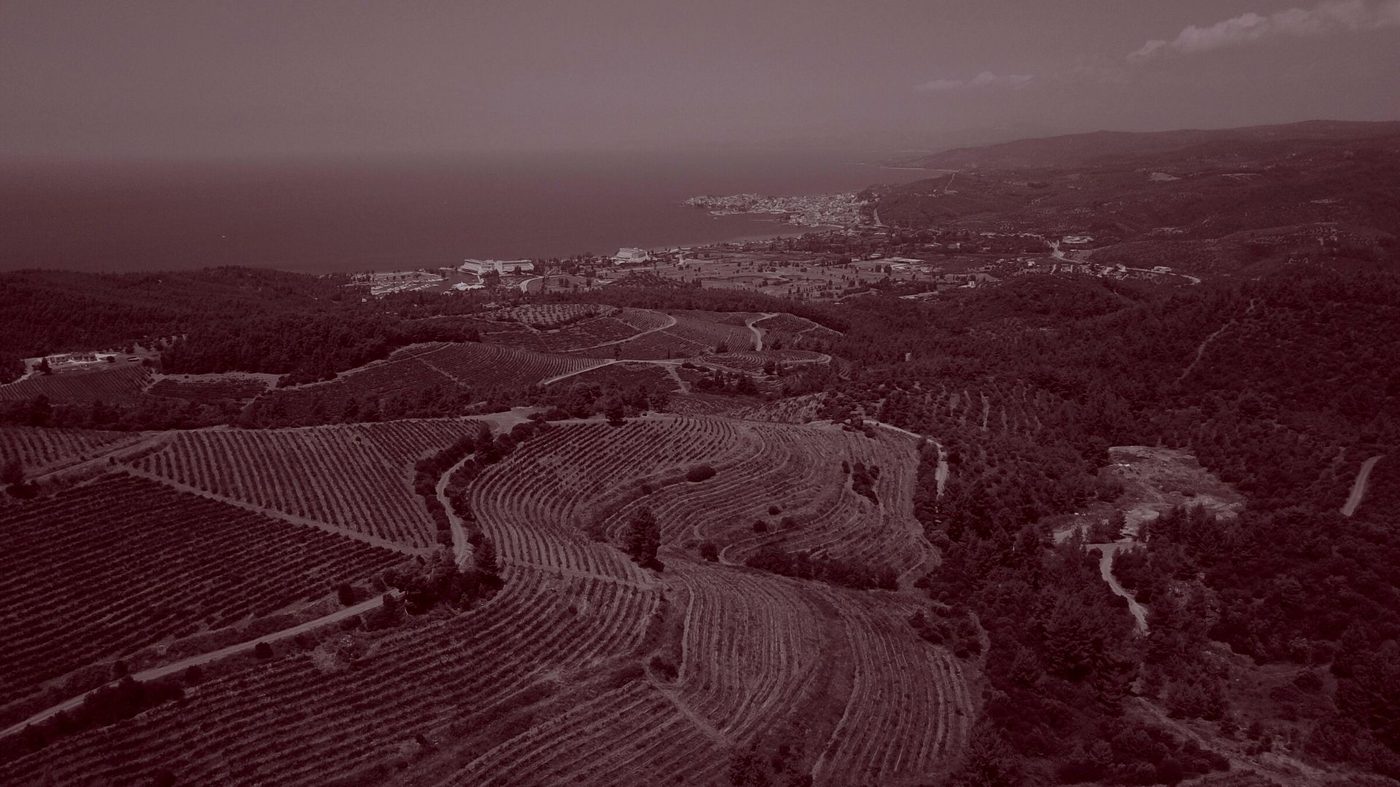
The variety’s native home. Lemnos has volcanic and alluvial soils, hot summers tempered by the Meltemi wind, and vineyards rarely planted above 100 metres. Limnio here typically goes into varietal red wines under PGI Lemnos, often alongside other indigenous varieties such as Kalambaki (which some ampelographers consider identical to Limnio) and the white Muscat of Alexandria used for PDO Muscat of Lemnos (a sweet wine — see Greek Dessert Wines).
Halkidiki (PDO Plagies Melitona)
In the 1960s and 1970s, the Halkidiki estate of Domaine Porto Carras — established with technical guidance from Émile Peynaud of Bordeaux — planted significant areas of Limnio alongside Cabernet Sauvignon, Cabernet Franc and other international varieties. The resulting appellation, PDO Plagies Melitona, requires at least 70% indigenous Greek varieties, with Limnio playing a central role, blended with Cabernet Sauvignon and Cabernet Franc.
The Porto Carras Limnio-Cabernet blends from this era became some of the first internationally celebrated Greek reds of the modern wine era and helped establish the country’s premium-wine credentials in export markets.
Other plantings
Smaller pockets of Limnio exist in Evia (Avantis Estate), and trial plantings have been made elsewhere in Greece. The variety remains relatively rare overall — total plantings are well under 500 hectares across the country.
Leading producers
Producers consistently making serious Limnio (varietal or blended):
- Hatzigeorgiou Estate (Lemnos) — small, family-run, the most internationally recognised Lemnos producer of varietal Limnio.
- Domaine Porto Carras (Halkidiki) — the historic estate, now producing the Magnus Baccus and other Limnio-based PDO Plagies Melitona blends.
- Domaine Costa Lazaridi — has worked with Limnio in Halkidiki area blends.
- Avantis Estate (Evia) — produces a varietal Limnio in central Greece.
- Domaine Limnos — smaller, traditional Lemnos producer.
At the table
Limnio’s herbal profile makes it an unusually flexible food wine. Pairings that consistently work:
- Slow-roasted lamb with thyme, rosemary and bay leaf.
- Beef stew with bay leaf and red wine.
- Wild boar or game stews.
- Sausages with herb-rich stuffings.
- Mushroom dishes — risotto, polenta, baked mushroom gratins.
- Tomato-based pasta — particularly with herb-led sauces.
- Aged hard cheeses — graviera, kefalotyri, parmesan, manchego.
- Levantine dishes — Lebanese kibbeh, Turkish-style stuffed vegetables, herb-spiced stews.
A useful rule of thumb: if the dish uses the same herbs that appear in the wine, the match will work.
How does Limnio compare to Greece’s other great reds?
| Variety | Body | Tannin | Acidity | Aromatic profile | Best at the table with |
|---|---|---|---|---|---|
| Xinomavro | Medium | High | Very high | Tomato, herbs, leather, sour cherry | Aged meats, game, hard cheeses |
| Agiorgitiko | Medium-full | Soft | Medium | Ripe cherry, plum, sweet spice | Roast meats, pasta, pizza |
| Limnio | Medium | Moderate | Medium-high | Sage, bay leaf, oregano, red fruit | Herb-led cooking, lamb, stews |
Each occupies its own space. Limnio is the most overtly Mediterranean in character of the three — a wine that smells like the herb garden of a Greek monastery and tastes like the dish that was cooked from it.
Why this matters
For wine professionals and curious drinkers, Limnio is a useful reminder that Greek red wine extends well beyond Xinomavro and Agiorgitiko. The variety’s combination of ancient pedigree, distinctive herbal aromatics, and moderate alcohol makes it especially relevant in a contemporary market where many drinkers are actively seeking lower-alcohol, food-friendly reds with genuine character. It is also one of the most enjoyable ways to taste continuity: a glass that connects directly, however imperfectly, to vineyards documented twenty-five centuries ago.
Find the perfect Greek wine for what you’re eating
Use e-SOM, our digital sommelier, to pair Greek wine with your food — or even with your mood. Free, fast, available in English and Greek.
See also: What Is Agiorgitiko? · Xinomavro vs Agiorgitiko · Greek Dessert Wines